


Introduction
Popping the bonnet on a modern car can feel like staring into a wall of hoses, wires, and unfamiliar shapes. But almost every vehicle on the road, however complex it looks, is built from the same handful of core systems working together. Understanding what each one does won't just satisfy curiosity — it makes it much easier to spot early warning signs before a small issue becomes an expensive repair. Here's a plain-English breakdown of the main parts of a car.
1. The Engine
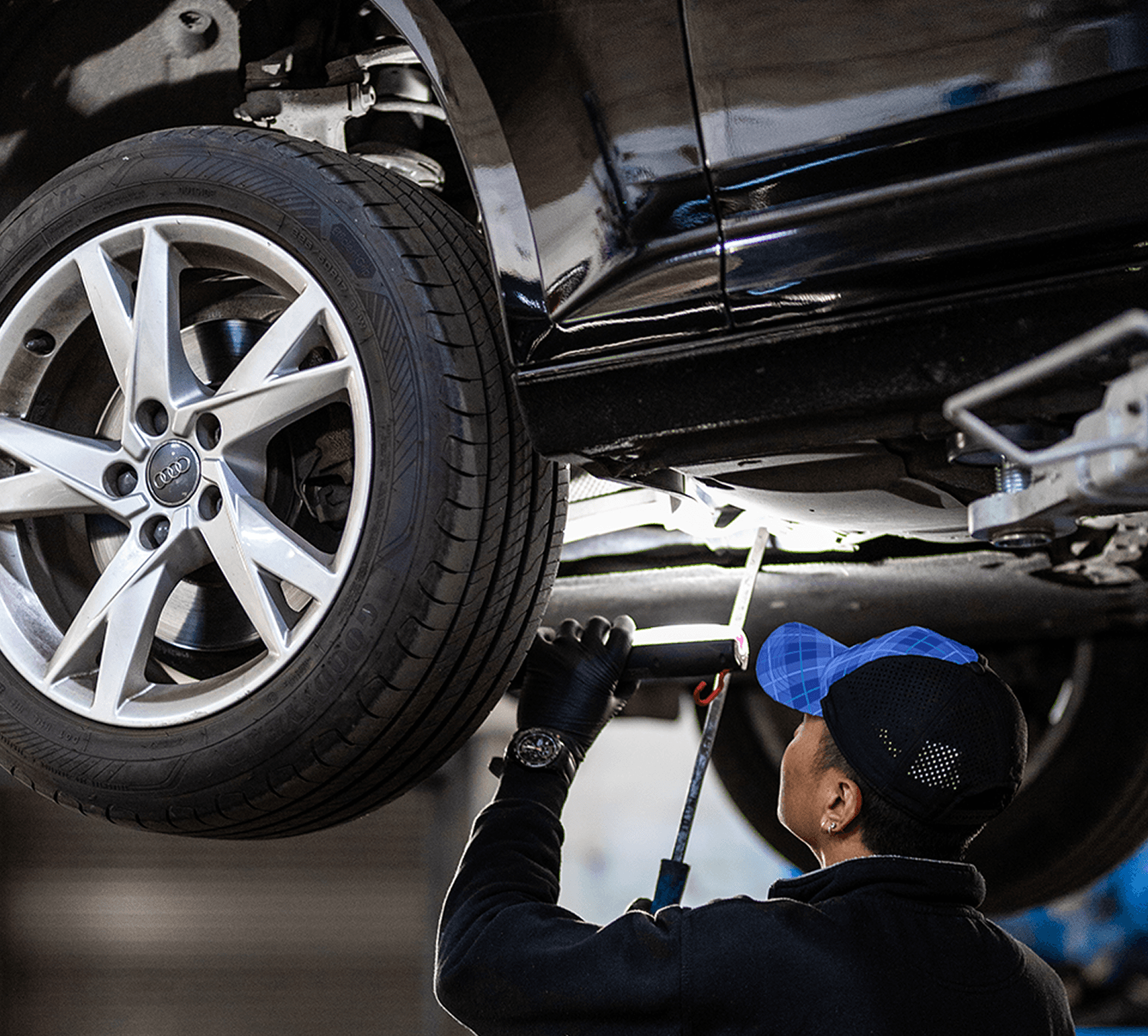
The engine is the car's power source, converting fuel — or electricity, in an EV — into the motion that drives the wheels. In a petrol or diesel car, this happens through internal combustion: fuel and air are mixed and ignited inside cylinders, and the resulting small, rapid explosions push pistons up and down. That motion is converted into rotational force that ultimately turns the wheels via the crankshaft. Most engines have four, six, or eight cylinders, though smaller three-cylinder engines have become increasingly common in an effort to save fuel and reduce emissions. Electric vehicles replace this entirely with one or more electric motors, which are simpler mechanically, have far fewer moving parts, and deliver power more directly and instantly than a combustion engine.
2. The Transmission (Gearbox)
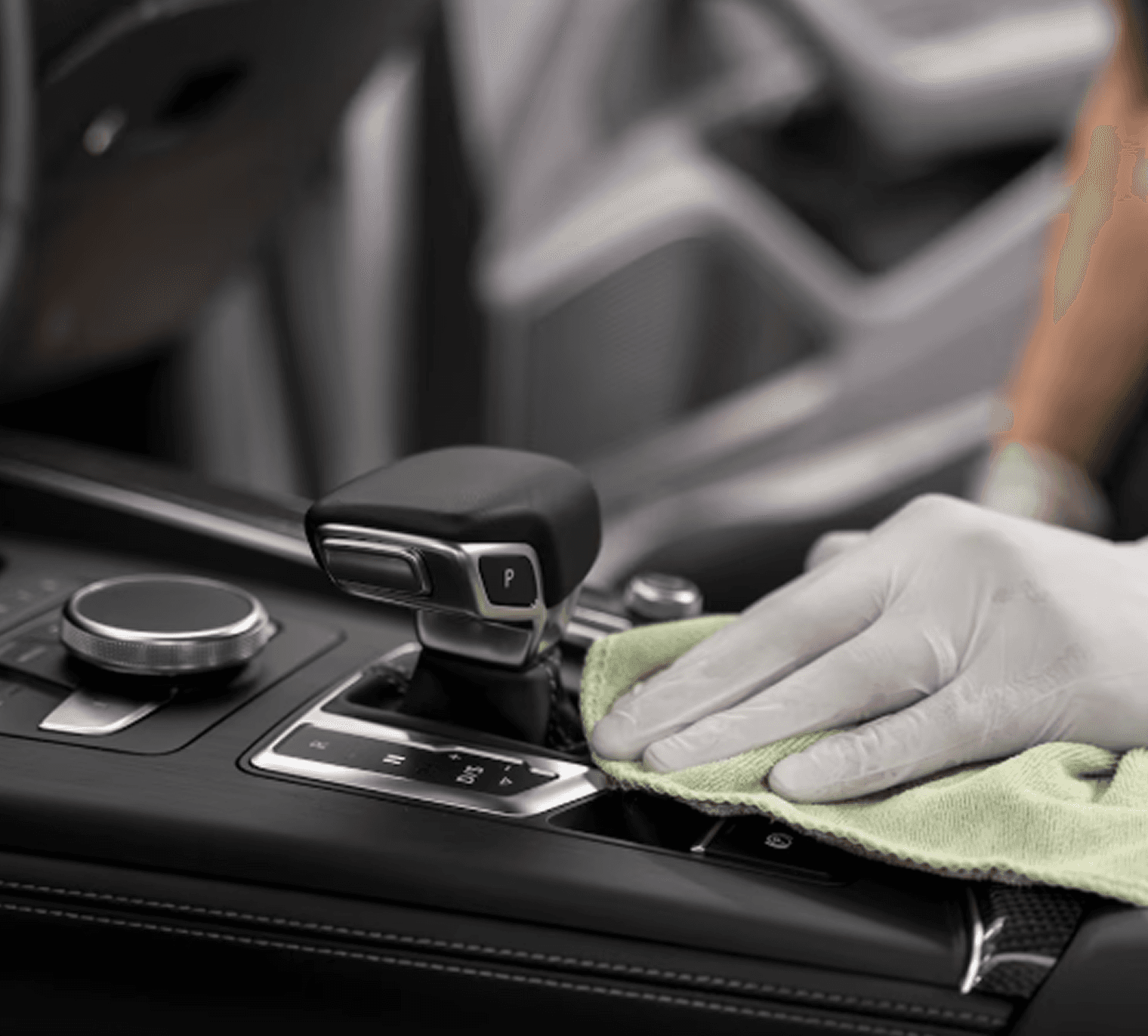
The transmission takes the power generated by the engine and adjusts it before sending it to the wheels, using different gears to balance speed against pulling power. Lower gears give more force for pulling away or climbing hills; higher gears are more efficient at motorway speeds, keeping the engine turning over more slowly for a given road speed. Manual transmissions require the driver to change gear themselves using a clutch pedal and gearstick. Automatic transmissions handle this on their own, and modern versions — including dual-clutch and continuously variable transmissions (CVTs) — can shift gears more smoothly and efficiently than many drivers could manage manually.
3. The Chassis and Body
The chassis is the structural frame the rest of the car is built around — it supports the engine, suspension, and body panels, and is engineered to absorb and redirect impact energy in a collision, protecting the occupants inside. The body is the outer shell, made up of panels that give the car its shape, protect the occupants from the elements, and increasingly play a role in aerodynamics, fuel efficiency, and crash safety. Modern car bodies are typically built using a "monocoque" construction, where the body and chassis are combined into a single unified structure, rather than a separate frame with panels bolted on top, as was common decades ago.
4. Suspension
The suspension system connects the wheels to the chassis and is responsible for smoothing out the ride. It's made up of springs, shock absorbers (dampers), and various linkages that allow each wheel to move independently over bumps while keeping the car stable and the tyres in contact with the road. Springs absorb the initial impact of a bump, while dampers control how quickly the springs return to their normal position, preventing the car from bouncing excessively afterwards. Worn suspension components are a common cause of a car feeling unusually bouncy, noisy, or unstable in corners, and can also accelerate uneven tyre wear if left unaddressed.
5. Steering System
The steering system translates the driver's input at the wheel into a turning motion at the front wheels, using a combination of a steering column, a steering rack, and various linkages. Most modern cars use power-assisted steering, which uses hydraulic or electric assistance to make turning the wheel easier, particularly at low speeds or when parking. Electric power steering has largely replaced older hydraulic systems in newer cars, since it's more efficient and allows for features like variable steering weight and lane-keeping assistance to be built in more easily.
6. Braking System
Brakes slow or stop the car by creating friction. Pressing the brake pedal forces brake pads against a spinning disc — or, on some vehicles, against the inside of a drum — attached to each wheel, converting the car's motion into heat. Most cars today use disc brakes on the front wheels at minimum, since the front end handles the majority of braking force, often paired with anti-lock braking systems (ABS) that prevent the wheels locking up and skidding under hard braking. Many modern cars also include electronic brakeforce distribution (EBD) and stability control systems, which work alongside ABS to help keep the car stable during emergency braking or sudden manoeuvres.
7. Wheels and Tyres
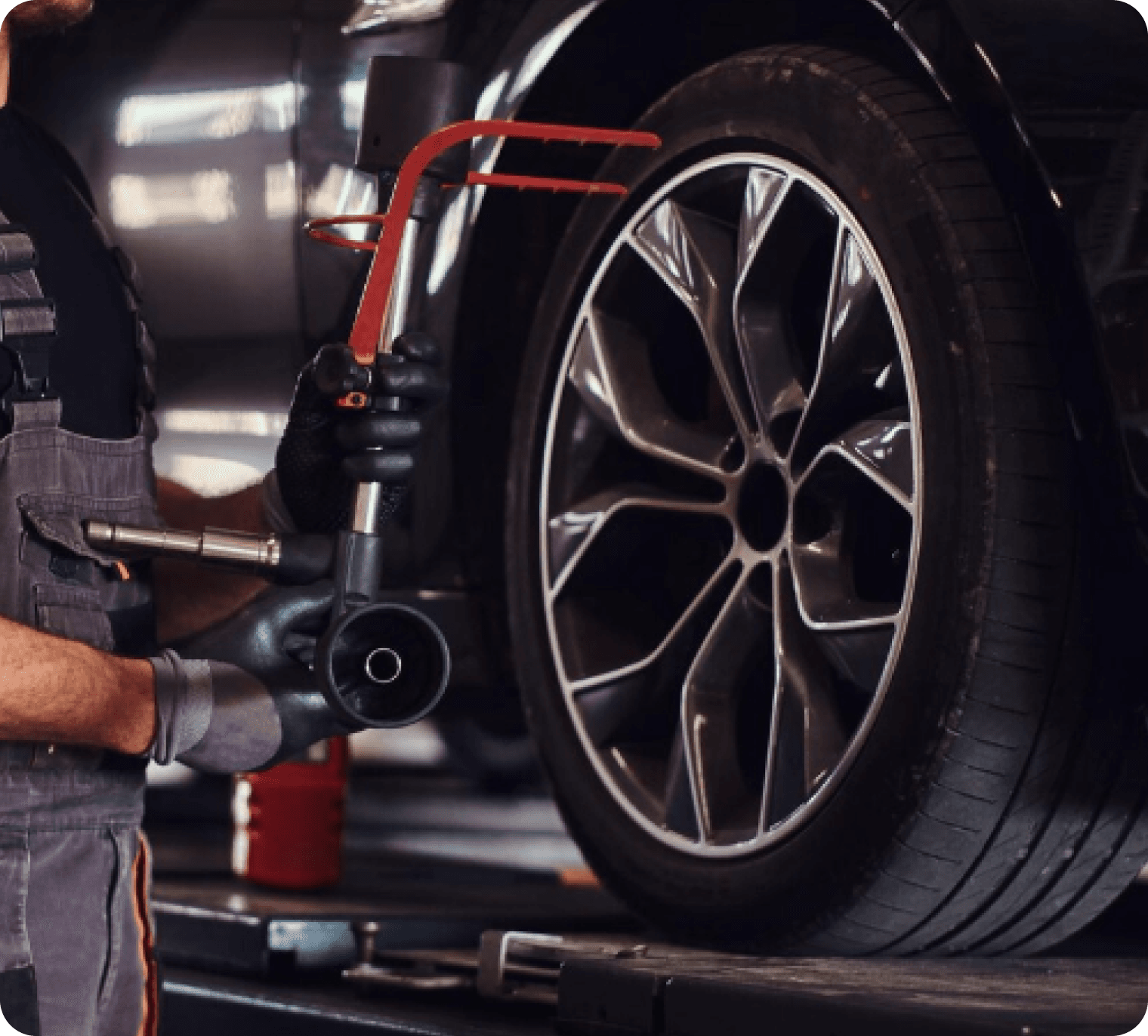
The wheels and tyres are the only part of the car actually in contact with the road, making them critical for grip, handling, braking, and ride comfort. Tyre pressure, tread depth, and general condition all directly affect how safely a car handles, especially in wet or icy conditions — which is why they're one of the most common MOT failure points. The legal minimum tread depth in the UK is 1.6mm across the central three-quarters of the tyre, though many manufacturers and safety organisations recommend replacing tyres well before they reach that limit, particularly for winter driving.
8. Electrical System and Battery
Every car relies on an electrical system to run its lights, dashboard displays, infotainment, and countless sensors, alongside starting the engine itself. In a conventional car, a 12-volt battery handles this, topped up by an alternator while the engine runs, which converts some of the engine's mechanical energy back into electrical charge. Electric and hybrid vehicles add a much larger high-voltage battery pack dedicated to powering the drive motor, separate from the smaller 12-volt battery that still runs the car's other electrical systems.
9. Exhaust System
On petrol and diesel cars, the exhaust system carries the gases produced by combustion away from the engine and out of the car, while reducing noise and harmful emissions along the way. It typically includes a catalytic converter, which chemically treats exhaust gases to cut down on pollutants such as carbon monoxide and nitrogen oxides, and a muffler (silencer), which reduces engine noise before gases exit through the tailpipe. Diesel cars also commonly include a diesel particulate filter (DPF), which traps soot particles, and this component can become a common source of problems if a diesel is used mainly for short, low-speed journeys that don't let it reach the temperature needed to clear itself.
10. Cooling System
Engines generate a huge amount of heat, and the cooling system exists to stop that heat from causing damage. Coolant is circulated through the engine block and a radiator at the front of the car, where airflow — helped by an electric fan when the car is stationary or moving slowly — helps dissipate the heat before the coolant cycles back around. A failing cooling system is one of the fastest ways to cause serious, expensive engine damage, which is why a rising temperature gauge should never be ignored.
11. Fuel System
The fuel system stores and delivers fuel to the engine, and includes the fuel tank, fuel pump, fuel lines, and fuel injectors on most modern petrol and diesel cars. Fuel injection has almost entirely replaced older carburettor systems, offering far more precise control over how much fuel is delivered and when, which improves both efficiency and emissions. On an electric vehicle, this entire system is absent, replaced instead by a charging port and the battery management system that controls how power flows in and out of the battery pack.
12. Safety Systems
Beyond the mechanical systems that keep a car moving and stopping safely, every modern car includes a range of dedicated safety features. Seatbelts remain the single most effective safety device in any car, and are designed to work alongside airbags, which deploy in milliseconds during a collision to cushion occupants from hitting the interior. Many newer cars also include advanced driver assistance systems (ADAS), such as autonomous emergency braking, lane-keeping assistance, and blind-spot monitoring, which use a combination of cameras, radar, and sensors to help prevent collisions or reduce their severity.
13. Interior and Dashboard
The dashboard houses the instrument cluster — the speedometer, rev counter, fuel gauge, and warning lights — along with the infotainment system in most modern cars, which typically handles navigation, audio, and phone connectivity. Warning lights on the dashboard are worth taking seriously rather than ignoring; each corresponds to a specific system, from the engine and brakes to tyre pressure and emissions controls, and is designed to flag a developing issue before it becomes a breakdown.
14. Drivetrain Layout: FWD, RWD, and AWD
Alongside the individual parts, it's worth understanding how power actually gets from the engine to the road, since this varies by drivetrain layout. Front-wheel drive (FWD) sends power to the front wheels only, and is the most common layout in family cars, since it's compact, efficient, and gives good grip when accelerating with the engine's weight over the driven wheels. Rear-wheel drive (RWD) sends power to the rear wheels, historically favoured in performance and luxury cars for its handling balance. All-wheel drive (AWD), sometimes called four-wheel drive (4WD) depending on how it's implemented, sends power to all four wheels, improving traction in poor conditions or off-road at the cost of some efficiency and added mechanical complexity.
15. Timing Belt or Timing Chain
Tucked away at the front of most combustion engines is a component that rarely gets attention until it fails: the timing belt or timing chain, which keeps the engine's crankshaft and camshaft rotating in perfect synchronisation so that valves open and close at exactly the right moment relative to the pistons. A timing belt is made of reinforced rubber and typically needs replacing at a manufacturer-specified interval, often somewhere between 60,000 and 100,000 miles, while a timing chain is metal and generally lasts significantly longer, though it isn't entirely maintenance-free either. On many engines, if a timing belt fails while the engine is running, the pistons and valves can collide, causing serious internal damage — which is why replacing it on schedule is one of the more important, if unglamorous, pieces of routine maintenance.
16. Heating, Ventilation, and Air Conditioning (HVAC)
The HVAC system manages cabin temperature and airflow, drawing in outside air, heating it using warmth from the engine, or cooling and dehumidifying it through the air conditioning system's refrigerant loop. Beyond comfort, this system also plays a safety role, since a clear, demisted windscreen is essential for visibility, and most cars automatically prioritise the windscreen demister setting when defrost is selected.
17. Lighting System

A car's lighting system covers headlights, tail lights, indicators, brake lights, and increasingly daytime running lights, all of which serve the dual purpose of helping the driver see and helping the car be seen by others. Modern headlights have moved from traditional halogen bulbs toward LED and, on some models, laser or matrix systems that can automatically adjust their beam pattern to avoid dazzling oncoming traffic while still lighting the road ahead as brightly as possible.
Why This Matters
You don't need to understand a car's engineering in detail to drive one safely, but knowing the basics of what each system does makes it far easier to spot early warning signs — an unusual noise from the suspension, a spongy brake pedal, a warning light you don't recognise, or a rising temperature gauge — before they turn into a bigger, costlier problem.
Frequently Asked Questions
What's the difference between the chassis and the body?
The chassis is the structural frame the car is built around, while the body is the outer shell of panels attached to or integrated with it. In most modern cars, the two are combined into a single monocoque structure.
Why do electric cars have fewer parts than petrol or diesel cars?
Electric vehicles don't need a traditional engine, exhaust system, fuel system, or, in many cases, a multi-speed gearbox, since electric motors deliver power directly and efficiently across a wide range of speeds.
What's the most common part to fail on an older car?
Suspension components, brakes, and tyres tend to be the most frequent MOT failure points, largely because they wear gradually through everyday use and are easy to overlook until a problem becomes noticeable.
The Bottom Line
A car is really a collection of systems working in coordination: power generation, power delivery, stopping, steering, comfort, and safety. Understanding roughly what each part does — even at a basic level — makes it easier to have informed conversations with a mechanic, spot problems early, and get more value out of every car you own.