


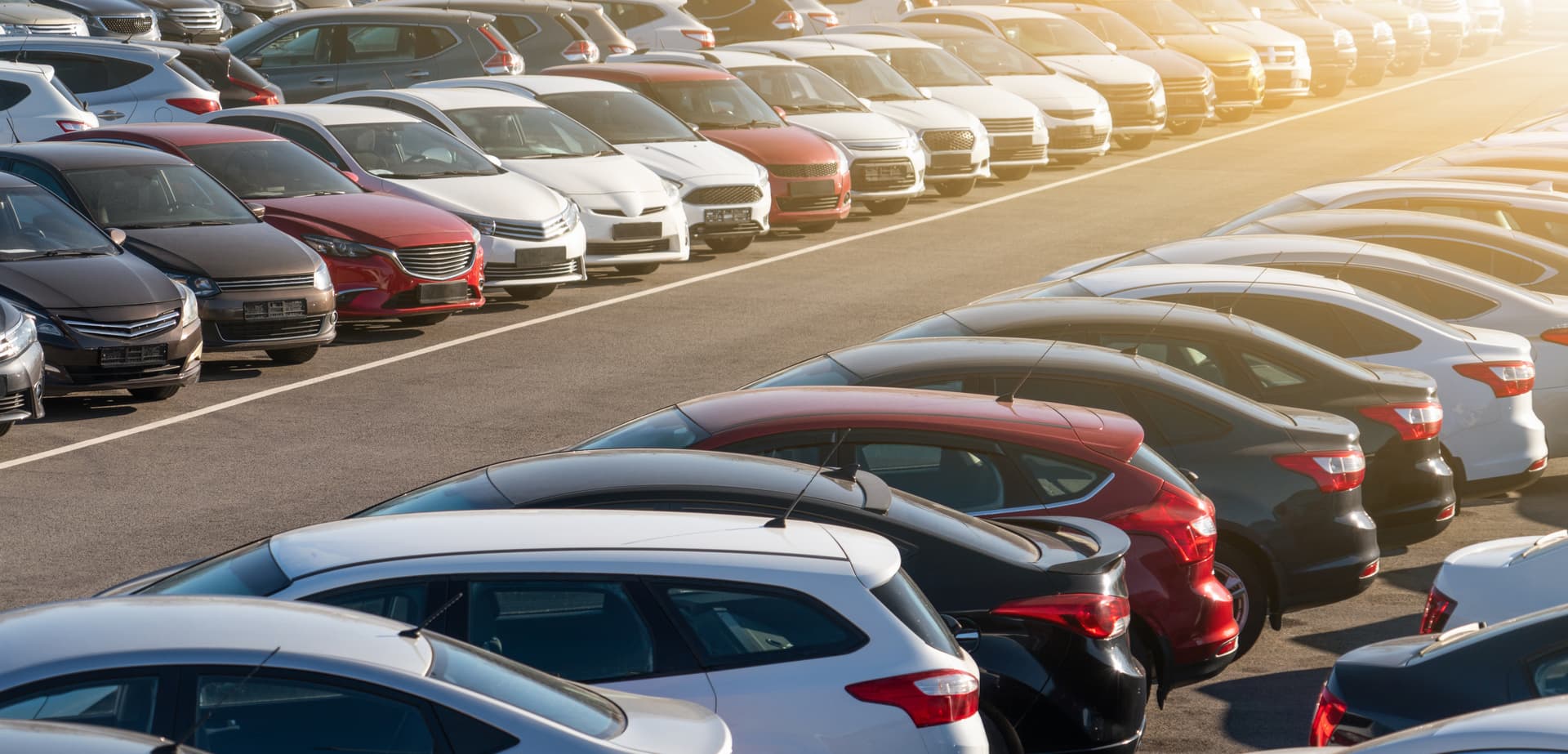
Both routes offer a professionally sold used car with some form of aftercare. For most buyers though, a used car supermarket delivers the better overall deal. Lower prices, far wider choice and a straightforward, pressure-free buying process are hard to beat, and the areas where a main dealer pulls ahead matter less than they first appear once you factor in the legal protection every buyer already has regardless of where they buy.
A Quick Overview:
- Supermarkets typically price lower, often by several hundred to over a thousand pounds on a comparable car, thanks to genuine bulk buying power.
- You get far wider choice under one roof, rather than being limited to whatever one manufacturer happens to have in stock.
- Fixed pricing means no pressure and no haggling, a genuinely welcome change for buyers who find negotiation stressful or time-consuming.
- A shorter warranty matters less than it seems since the Consumer Rights Act 2015 protects every buyer from any dealer regardless of the warranty on offer.
- Supermarkets increasingly stock the same age and mileage range as main dealers, closing a gap that used to be much wider.
Used Car Supermarket vs Main Dealer at a Glance
| Feature | Used Car Supermarket | Main Dealer |
|---|---|---|
| Typical price | Lower | Higher |
| Brand and model choice | Very wide, multiple brands | Limited to franchised brand(s) |
| Buying experience | Fixed, transparent, no pressure | Traditional negotiation, can take longer |
| Stock age and mileage range | Increasingly wide | Often stricter limits |
| Typical warranty length | 3 to 6 months and extended warranty | 6 to 12 months, sometimes longer |
| Legal protection regardless of warranty | Consumer Rights Act 2015 applies | Consumer Rights Act 2015 applies |
| Specialist brand knowledge | Broader, less brand-specific | Deep, brand-specific |
| Finance options | Usually available in-house | Usually available, often manufacturer-backed |
What Is a Used Car Supermarket?
A used car supermarket is a large-scale retailer stocking hundreds, sometimes thousands of used cars from multiple brands under one roof or across a linked network of sites. Stock typically comes from fleet sales, daily rental companies, manufacturer buy-backs and part-exchanges, giving supermarkets access to large volumes of well maintained cars that a single-brand dealer simply can't match in scale.
Buying hundreds of cars at once gives a supermarket genuine purchasing power, translating directly into lower prices, alongside standardised preparation processes and a transparent, fixed-price sales approach that removes the back-and-forth haggling associated with smaller dealers.
What Is a Main Dealer?
A main dealer, sometimes called a franchised dealer, sells new cars under a specific manufacturer's brand and also typically runs its own used car operation, often marketed as an "approved used" scheme. Those used cars usually come from trade-ins, lease returns and ex-demonstrator vehicles tied to that specific brand giving the dealer direct access to the manufacturer's own service history and technical expertise, though at a noticeably higher price and with far less choice than a supermarket offers.
How Do Prices Compare?
Why Supermarkets Genuinely Cost Less
Bulk buying power is the main driver. It's a real, structural advantage too, rather than a marketing claim. A supermarket purchasing large volumes of stock, often from fleet and rental sources, can negotiate a lower acquisition cost per car than a single brand dealer sourcing smaller numbers through trade-ins alone. Real comparisons between identical or near identical cars commonly show a difference of several hundred to over a thousand pounds in the supermarket's favour, a saving that goes directly into your pocket rather than covering a main dealer's higher overheads.
What the Extra Main Dealer Price Actually Buys
Part of the higher price at a main dealer simply reflects their higher cost of doing business. Franchised showrooms, manufacturer mandated branding standards and a new car sales operation running alongside the used car side all add overhead that has to be recovered somewhere. Used car pricing is one of the places that happens. A supermarket's leaner, high volume model carries none of this same overhead structure, which is a genuine part of why its prices sit lower, not just its bulk buying power alone.
Beyond covering those costs, the higher price at a main dealer typically buys a somewhat longer warranty and access to that manufacturer's own service network. For many buyers though, this extra cost is difficult to justify once you consider that every used car buyer, regardless of where they buy, already has strong legal protection under consumer law. The main dealer premium is often better spent, or simply saved, unless you have a specific reason to value that particular manufacturer's own aftercare network above everything else.
Does a Shorter Warranty at a Supermarket Actually Matter?
Less than most buyers assume. The Consumer Rights Act 2015 gives you legal protection when buying from any dealer, including a supermarket, regardless of the specific warranty on offer, covered in full in our guide on consumer rights when buying a used car. Faults appearing within the first six months are legally assumed to have existed at the point of sale unless the dealer can prove otherwise, a genuinely strong protection that exists entirely independently of any warranty length printed in the paperwork.
A supermarket's typical 3 to 6 month warranty, combined with this underlying legal protection, covers the period when most genuine faults tend to surface anyway. The extra months offered by a main dealer's longer warranty matter most for buyers specifically worried about a major, expensive failure well outside that window, a real but comparatively rare scenario for a properly checked used car.
Is Fixed Pricing an Advantage or a Disadvantage?
For most buyers, a genuine advantage. Negotiating price at a traditional dealer can be stressful, time consuming and puts less experienced buyers at a real disadvantage against a trained sales negotiator. A supermarket's fixed or lightly negotiable pricing model removes that entirely. You see the price, you know it's close to what every other buyer is paying for a comparable car, and you can make a decision based on the car itself rather than how well you can haggle.
This transparency also makes comparing supermarket prices against each other, and against listings elsewhere, considerably more straightforward than trying to gauge how much room for negotiation exists at a traditional dealer before you've even walked in.
Which Has Better Specialist Knowledge of a Specific Car?
A main dealer typically holds an advantage here, with staff trained specifically on that brand's models, mattering most for a narrow set of buyers though, specifically those buying a car with genuinely unusual, brand specific known issues worth discussing in technical depth. For the large majority of buyers choosing a mainstream, well documented model, a supermarket's broader knowledge, combined with the wealth of independent information available online for any popular model, covers most practical questions just as well.
What About Finance and Part-Exchange?
Both routes typically offer in-house finance. Supermarkets in particular often present multiple finance options quickly as part of a streamlined, no-pressure sales process, letting you compare rates without a single salesperson pushing one option over another. Main dealers frequently offer manufacturer-backed finance schemes tied to that specific brand, though these aren't always the most competitive rate available once you shop around. For the full detail on comparing HP, PCP and personal loan options regardless of where you buy, see our guide on used car finance explained.
Part-exchange works similarly at both. A supermarket's willingness to take any make in part-exchange though, rather than favouring their own brand, often makes for a simpler, more straightforward trade-in process.
Which Should You Choose Based on What You're Buying?
Buying an Older or Higher-Mileage Car
A supermarket is usually the stronger choice here, with wider age and mileage range and generally lower prices for cars outside a main dealer's stricter approved-used criteria.
Buying a Mainstream Model You've Already Researched
A supermarket makes excellent sense here too. If you already know the specific model, trim and common issues to check through your own research, the brand-specific expertise a main dealer offers becomes considerably less important. The price saving becomes the deciding factor instead.
Buying a Specific, Less Common or Specialist Brand
A main dealer specialising in that exact brand can offer an edge here, particularly for a genuinely unusual or specialist model where brand-specific expertise carries real weight.
Pros and Cons of Buying from a Used Car Supermarket
Advantages:
- Genuinely lower prices due to real bulk purchasing power, not just marketing.
- Very wide choice of brands and models under one roof, rather than being limited to a single manufacturer's stock.
- Transparent, pressure-free pricing that removes the stress and skill imbalance of traditional haggling.
- Increasingly wide age and mileage range, closing the gap with main dealer stock considerably.
- Full legal protection regardless of warranty length since the Consumer Rights Act applies to every dealer sale.
Disadvantages:
- Sometimes shorter standard warranty than a main dealer's approved-used scheme, though this is narrowing.
- Broader rather than brand-specific expertise, most relevant only for genuinely unusual or specialist models.
Pros and Cons of Buying from a Main Dealer
Advantages:
- Typically longer, manufacturer-backed warranty, valuable for buyers specifically wanting maximum aftercare on a particular brand.
- Deep, brand-specific expertise, most useful for specialist or unusual models.
Disadvantages:
- Typically higher prices than an equivalent car at a supermarket, often by a significant margin.
- Limited to one or a small group of brands, considerably narrowing your choice.
- Often stricter age and mileage criteria, ruling out older or higher-mileage cars many buyers are looking for.
- More traditional negotiation involved, which can disadvantage less experienced buyers.
What Are the Biggest Myths About Each?
"Main dealers are always more trustworthy." Not automatically. Both routes are professional dealers subject to the same consumer protection law. Reputation varies by individual dealer or supermarket branch rather than by category alone. Large supermarkets often have more standardised, consistent processes too, precisely because of their scale.
"You lose consumer rights if you buy from a supermarket." No. The Consumer Rights Act 2015 applies to any dealer sale, regardless of warranty length or business model, giving supermarket buyers exactly the same core legal protection as a main dealer customer.
"A shorter warranty means a lower quality car." Not necessarily. Warranty length reflects a retailer's business model and cost structure as much as anything about the car itself. A supermarket's standardised preparation process still involves genuine checks before a car is listed too.
"Approved-used always means the car has been thoroughly inspected, and nothing else compares." Standards can vary between manufacturers and even between individual dealers within the same brand. A supermarket's own preparation process, applied consistently at scale, often delivers comparably reliable results.
Frequently Asked Questions
Do used car supermarkets offer warranties? Yes, typically 3 to 6 months as standard, sitting alongside the same Consumer Rights Act protection every buyer gets regardless of where they buy.
Can you negotiate price at a used car supermarket? Usually only a little, and for many buyers that's genuinely a benefit rather than a drawback since it removes the pressure and skill imbalance of traditional haggling.
Is a main dealer approved-used scheme worth the extra cost? For most buyers, the price difference is difficult to justify once you factor in the legal protection already covering any used car purchase. It's worth it mainly if you specifically value that one manufacturer's own aftercare network above everything else.
Which is better for buying an older, budget car? A used car supermarket is usually the stronger choice here, with far more stock and lower prices in this specific segment.
Do main dealers only sell their own brand as used cars? Mostly yes, which is exactly why their choice is so much narrower than a supermarket's multi-brand stock.
The Bottom Line
Once you strip away the assumptions, the case for a used car supermarket holds up. You pay less for a comparable car, choose from a far wider range of makes and models, and buy through a transparent process that doesn't depend on how well you can negotiate. The main dealer's genuine advantages, mainly a somewhat longer warranty and deeper single brand expertise, matter most in a narrow set of circumstances rather than for the typical buyer. For anyone buying a mainstream car and wanting the best combination of price, choice and straightforward buying, a used car supermarket is very hard to argue against.
Car Planet is your trusted destination for quality vehicles at competitive prices- offers a wide selection of cars to suit every lifestyle and budget, backed by friendly customer service and a commitment to transparency. Whether you're buying your first car or upgrading to your next one, Car Planet is here to make the experience simple, reliable, and stress-free.