


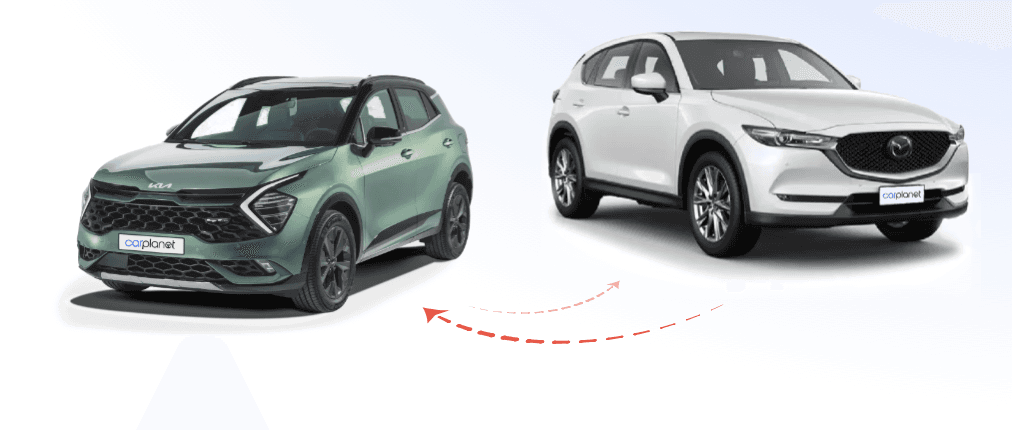
Part-exchange remains the simplest way to change your car, trading your current one straight against the price of your next, in a single transaction rather than juggling a private sale alongside a purchase. Here's exactly how the process works, what affects your valuation, and how to handle it properly if you've still got finance outstanding.
Summary:
- Part exchange trades your current car's value directly off the price of your next one, settled in a single transaction with one dealer.
- Outstanding finance doesn't stop you part exchanging. The dealer settles it directly using your car's trade-in value.
- Your equity position, positive or negative, depends on your car's value against your finance settlement figure, not your remaining monthly balance.
- Part exchange typically values a car slightly below a private sale, the trade-off for genuine convenience and zero hassle.
- Condition, mileage, service history and MOT status all genuinely move the valuation, often more than owners realise.
What Is Part-Exchange?
Part exchange, sometimes shortened to "P/X" or "part-ex", is when you trade your current car in as partial payment toward a new or used car from the same dealer. Rather than selling your old car separately and buying your next one as two distinct transactions, both happen together, in a single deal with one dealer.
The dealer takes ownership of your current car and values it based on factors like its make, model, age, mileage and condition. That valuation is then deducted from the price of the car you're buying, meaning you only pay the difference rather than the full price.
How Does Part-Exchange Actually Work?
Once you've found the car you want to buy, the dealer inspects your current car in person and confirms a firm valuation, adjusting the earlier estimate if needed based on its actual condition.
You then agree the figure, decide how you'll cover any remaining balance, cash or finance, and sign the paperwork for both the sale of your old car and the purchase of your new one.
On the agreed handover day, you simply swap cars. The dealer handles the resale of your old car entirely, meaning no listing photos, no strangers viewing your car, and no waiting around for a private buyer.
What Affects Your Car's Part-Exchange Value?
Four things drive the figure a dealer offers. Market demand for your specific make and model matters first, since some cars simply hold value better than others. Age and mileage matter too, in fairly predictable, steady ways.
Condition, both mechanical and cosmetic, plays a bigger role than many owners expect. History matters just as much too, your service record, MOT status, and number of previous owners all factoring directly into the number a dealer lands on.
A missing MOT or genuine gaps in your service history can noticeably reduce a valuation, while a fuller, well-documented history tends to support a stronger one.
Can You Part-Exchange a Car With Outstanding Finance?
Yes, and this is one of the most common ways UK drivers move from one car to the next. The dealer contacts your finance company directly to obtain a settlement figure, the exact amount needed to clear your agreement on a given date, and this becomes central to the whole transaction.
One important legal point worth knowing clearly: it's illegal to sell a car with outstanding finance without settling that finance first. Part exchange handles this correctly by design, since the dealer settles the agreement as part of the process rather than leaving you to sort it separately.
You're also not restricted to part exchanging at the dealer who originally arranged your finance, since your agreement sits with the finance company rather than that specific dealer, meaning a different dealer can still take your car and arrange settlement on your behalf.
What's the Difference Between Positive and Negative Equity?
This is the most important calculation in the whole process. Your settlement figure, not your remaining monthly balance, gets compared directly against your car's trade-in value.
If your car's value is higher than your settlement figure, you're in positive equity, and the difference becomes a deposit toward your next car.
If your car is worth less than the outstanding settlement, you're in negative equity instead, and that shortfall needs covering, either as a cash payment or rolled into your new finance agreement, though rolling it in costs more over time through added interest.
Worth knowing too, a settlement figure isn't simply your remaining payments added up. Regulated consumer credit agreements include a statutory rebate on the remaining interest, meaning the true settlement figure typically comes in lower than your outstanding balance might suggest.
Part-Exchange vs Selling Privately: Which Is Actually Better?
Genuinely depends on how much you value your own time. Part exchange values typically land somewhat below what the same car would fetch through a private sale, the trade-off for a dealer taking on the resale risk and effort themselves.
Selling privately can net you more money, though it also means photographing and listing the car yourself, fielding enquiries, arranging viewings with strangers, and waiting for the right buyer, all while potentially needing a car to drive in the meantime.
Part exchange trades some of that extra money for a single, same-day transaction with none of the hassle.
Is It Better to Sell Then Buy, or Is Part-Exchange Better?
This is genuinely a different question to simply comparing figures, since it depends on your specific situation rather than a single right answer. Here's my honest recommendation based on what actually matters in each scenario.
Choose selling first, then buying separately, if: you're not in a rush and can afford to be without a car for a few weeks, your car is a genuinely desirable model likely to attract quick private interest, or the gap between a private sale price and a part exchange offer is large enough on your specific car to justify the extra effort.
Choose part exchange if: you need continuous use of a car and can't be without one between selling and buying, you'd rather avoid the admin of listing, photographing and meeting private buyers, your car is a common, easy-to-value model where the price gap versus private sale tends to be smaller, or you have outstanding finance and want the settlement handled as part of a single transaction rather than juggling it separately.
My honest recommendation for most buyers: if the value difference on your specific car is a few hundred pounds, part exchange is usually the better call once you weigh in the time, effort and risk of a private sale.
If the gap runs into four figures on a genuinely sought-after car though, it's worth at least getting a private valuation alongside your part exchange offer before deciding, since that's where selling separately starts to pay for the extra hassle.
What Documents Do You Need?
Your V5C logbook is essential, alongside the car's service book and any manuals that came with it. Spare keys matter too, since a missing second key can affect the offer you receive.
The locking wheel nut is genuinely easy to forget but worth bringing along too, since it counts as part of the car's standard equipment and its absence can be reflected in the final offer.
If you've still got outstanding finance, bring your finance company's details. Ideally bring a settlement figure obtained in advance too, since having this ready speeds up the whole process rather than waiting for the dealer to request it on the day.
How Can You Get the Best Possible Valuation?
A clean, presentable car creates a genuinely better first impression than most owners expect. Fixing small, cheap issues yourself, a blown bulb or a worn wiper blade, costs you very little but avoids the dealer pricing that fix into a lower offer.
Being upfront about any faults matters too, since they'll be found during inspection regardless, and honesty from the start keeps the whole process smoother. Getting more than one valuation before committing is worth the extra few minutes, since offers can vary between dealers depending on their current stock needs and demand for your specific model.
It's also worth asking whether a manufacturer scrappage scheme applies to your specific car, since some carmakers offer additional financial incentives on top of the standard trade-in value when an older vehicle is exchanged for a qualifying new one.
What Happens to Your Car After You Part-Exchange It?
Genuinely depends on its age, mileage and condition. A newer, well-maintained car with reasonable mileage typically gets prepared and resold to another buyer, sometimes through the same dealer's own forecourt. An older, higher-mileage car is more likely to be sent to auction instead, where dealers and traders bid on stock they can't easily retail themselves.
Either way, your part exchange genuinely feeds back into the wider used car market rather than simply disappearing, worth knowing if you're curious where your old car actually ends up.
Common Mistakes to Avoid
Accepting the very first offer without comparing it against at least one other valuation is the most frequent mistake, since figures do vary between dealers. Assuming outstanding finance rules out part exchange entirely stops plenty of owners from even asking, when in reality it's one of the most routine transactions a dealer handles.
Forgetting to request a settlement figure in advance is worth avoiding too, since it can add unnecessary delay to an otherwise straightforward handover.
Frequently Asked Questions
Can I part exchange a car with negative equity?
Yes, though the shortfall between your car's value and your settlement figure needs covering, either upfront in cash or added to your new finance agreement.
Does part exchange affect my credit file?
Not directly, since part exchange itself isn't a credit product, though any new finance agreement you take out alongside it will involve the usual credit checks.
Can I part exchange a car at a different dealer to where I bought it on finance?
Yes, since your finance agreement is with the lender rather than the dealer, meaning any dealer can take your car in part exchange and arrange settlement with your finance company directly.
Will I get more money part exchanging or selling privately?
Selling privately typically nets more money, though part exchange offers genuine convenience and a single same-day transaction in return for a somewhat lower figure.
What happens if I find a better part exchange offer after accepting one?
Once you've formally accepted and signed, the agreement is binding, which is exactly why comparing offers before accepting matters more than after.
Conclusion
Part exchange earns its popularity through simplicity rather than through offering the absolute highest price for your old car.
Understanding your equity position clearly, whether you owe more or less than your car is currently worth, turns the whole process from something that feels uncertain into a straightforward, same-day swap. Walking in with your documents and a settlement figure ready helps too.
Comparing at least one alternative offer before accepting remains the single habit most likely to put a genuinely better figure in your pocket.
Ready to part exchange your current car? Get your free valuation from Car Planet and see exactly what your car is worth against our full range of used vehicles.