


Introduction
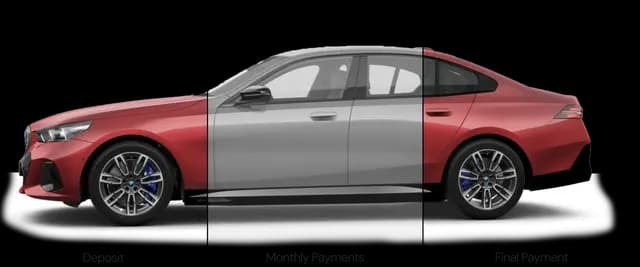
Hire Purchase, or HP, is genuinely one of the most straightforward ways to finance a car in the UK, and also one of the most commonly misunderstood. The core idea is simple: pay a deposit, make fixed monthly payments, and own the car outright once you've finished paying.
This guide explains exactly what HP is, how it actually works from start to finish, and what you'll genuinely pay along the way.
Summary:
- HP lets you spread the cost of a car across fixed monthly payments, typically over one to five years, and you own the car outright once the final payment clears.
- You're the registered keeper throughout the agreement, free to drive and insure the car, but the finance company remains the legal owner until you've paid everything, including any option-to-purchase fee.
- A deposit of around 10-20% of the car's value is typical, though genuine no-deposit options exist, and a larger deposit reduces your monthly payments.
- HP genuinely carries no mileage limit, a real, distinct advantage over PCP, since you're financing the whole car rather than just its predicted depreciation.
- Putting even a small part of your deposit on a credit card genuinely adds valuable Section 75 protection, making the card company jointly liable with the dealer if something goes seriously wrong.
- HP is a secured loan, the car itself acts as security, which is exactly why it's often more accessible than an unsecured personal loan for the same amount.
- HP and Conditional Sale aren't quite the same thing, despite being easily confused. HP requires a separate option-to-purchase fee before ownership transfers, Conditional Sale doesn't.
What Is HP, in Plain Terms?
HP stands for Hire Purchase, and it's genuinely one of the oldest, simplest forms of car finance available. You pay a deposit, then a series of fixed monthly instalments, and once the agreement's fully paid, including any small option-to-purchase fee, the car becomes legally yours.
There's no large balloon payment at the end the way there is with PCP, just a clear, predictable path to ownership.
How Does HP Actually Work, Step by Step?
Choose your car and agree a price: This works the same whether you're buying new or used, settle on the car and the price before arranging finance around it.
Apply for HP finance: Lenders typically run a soft credit check first to check your eligibility, which has no impact on your credit score, before a full hard-search application once you've decided to proceed.
Pay your deposit: Usually somewhere between 10% and 20% of the car's value, though this varies by lender, and some genuinely offer no-deposit HP for eligible applicants.
Make your fixed monthly payments: These cover the remaining balance plus interest, spread evenly across your agreed term, typically somewhere between one and five years.
Pay the option-to-purchase fee: Once your final monthly payment clears, a small additional fee, sometimes as little as £1, occasionally closer to £100 depending on the lender, formally transfers ownership to you.
Who Actually Owns the Car During an HP Agreement?
This distinction genuinely trips people up. You're the registered keeper from day one, meaning the car's registered in your name, you insure it, and you're free to drive it as your own throughout.
The finance company remains the legal owner though, until every payment, including the option-to-purchase fee, has actually cleared. Because HP is a secured loan, the car itself acts as the lender's security, which is exactly why they can repossess it if you stop paying.
What Will You Actually Pay?
Real representative examples vary by lender and your own credit profile, but as a genuine illustration: borrowing £8,000 over 60 months at an 18% APR works out to monthly payments of around £203, with total interest adding roughly £4,189, for a total payable of around £12,189.
Your own actual rate will depend on your specific circumstances and the lender you choose, so it's worth treating any single example as illustrative rather than a guarantee.
HP vs Conditional Sale: A Distinction Worth Knowing
These two are genuinely easy to confuse, since they work almost identically on the surface. The real difference sits right at the end of the agreement: HP requires a separate option-to-purchase fee before ownership formally transfers to you, while Conditional Sale transfers ownership automatically the moment your final payment clears, no extra fee involved.
Genuine Protections Worth Knowing About
A few real consumer protections are genuinely worth knowing before you sign anything. Putting even a small part of your deposit, as little as a few pence, on a credit card for a car costing between £100 and £30,000 gives you genuine Section 75 protection, making the card company jointly liable with the dealer if something goes seriously wrong.
If you default on an HP agreement, the lender can only repossess the car without a court order once you've paid less than a third of the total amount owed, a genuine legal protection worth knowing if you've paid more than that and start struggling.
It's also worth being realistic about advertised rates. By law, only 51% of successful applicants need to actually receive the advertised "representative" APR, so up to 49% could genuinely be offered a considerably higher rate once they actually apply.
Is HP Right for You?
HP genuinely suits buyers who want a predictable path to full ownership, without the complexity of a balloon payment or mileage limits to worry about.
If you're not planning to change cars every few years, and you'd rather own the car outright at the end than hand it back or pay a lump sum, HP is often the simpler, more straightforward choice. For the fuller comparison against PCP specifically, see our guide on PCP vs HP: which car finance option is right for you.
Conclusion
HP genuinely is one of the simplest ways to finance a car, pay a deposit, make fixed payments, own the car at the end. Understanding exactly who owns the car during the agreement, what you'll actually pay, and how it differs from similar-sounding options like Conditional Sale puts you in a considerably stronger position before you sign anything.
Browse our full range of used cars, available both to buy outright or on finance.
Frequently Asked Questions
Do I own the car straight away with HP finance?
No, genuinely not until the agreement's fully paid. You're the registered keeper throughout, free to drive and insure the car, but the finance company remains the legal owner until your final payment and any option-to-purchase fee have cleared.
How much deposit do I actually need for HP?
Typically around 10% of the car's value, though this varies by lender, and some genuinely offer no-deposit options for eligible applicants. A larger deposit reduces your monthly payments.
What happens if I stop paying my HP agreement?
Since HP is a secured loan, the finance company can genuinely repossess the car if you default, as it remains the legal owner until the agreement's fully settled.
Is HP the same as Conditional Sale?
Not quite, though they're easily confused. HP requires a separate option-to-purchase fee before ownership transfers, while Conditional Sale transfers ownership automatically the moment your final payment clears.
Can I pay off my HP agreement early?
Genuinely, yes, two ways. You can settle early by paying the outstanding settlement figure, which may offer a discount on the remaining interest. Alternatively, once you've paid at least 50% of the total amount owed, a genuine Consumer Credit Act right called voluntary termination lets you hand the car back and walk away, provided it's in reasonable condition, without paying the rest of the agreement.
Can I cancel an HP agreement after signing it?
Yes, genuinely, within 14 days of signing, a legal cooling-off period that applies to HP agreements. You'll still need to repay the amount you've actually borrowed during that time, but you can walk away from the agreement itself without further obligation.
What happens if I miss an HP payment?
Contact your finance provider as soon as possible, genuinely before it becomes a bigger problem, since they can talk you through the options available. Missing more than one payment can add fees, affect your credit score, and in serious cases lead to the car being repossessed.
Can my car be repossessed without warning on HP?
Not without a court order, provided you've paid at least a third of the total amount owed. If you've paid less than that, a lender genuinely can repossess without going through the courts first, a distinction worth knowing if you're ever struggling with payments.
Does paying my deposit by credit card actually help me?
Genuinely, yes, even putting a small part of it on a credit card for a car costing between £100 and £30,000 gives you Section 75 protection, making the card company jointly liable alongside the dealer if something goes seriously wrong.