


Introduction
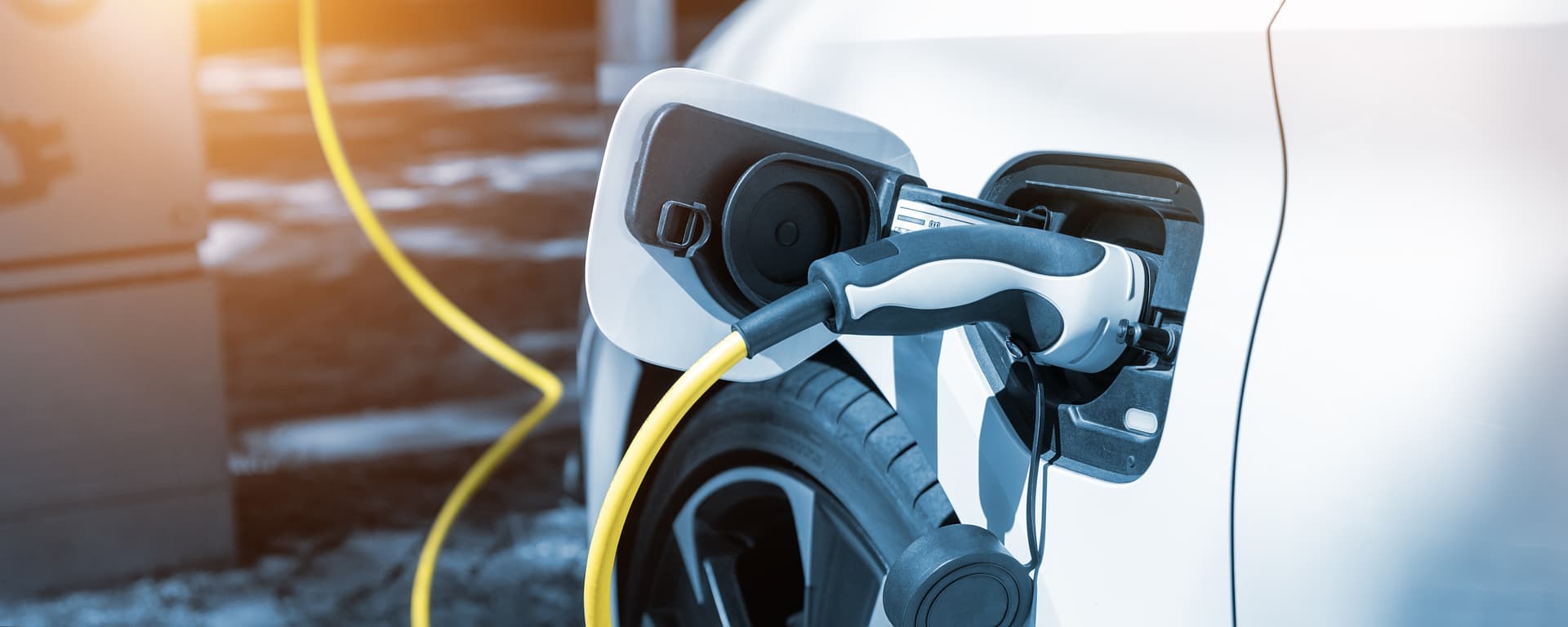
Charging an electric car is genuinely simple once you understand the basics, plug in, wait, unplug. What actually varies enormously is the speed you charge at and, connected directly to that, how much it costs.
The same electricity can cost you as little as 2p a mile at home overnight, or well over 20p a mile at a motorway rapid charger, a genuinely significant gap most new EV drivers don't fully appreciate until their first public charging bill arrives.
This guide explains exactly how charging works, the different speed tiers available, and real, current UK costs across home and public charging, so you know precisely what to expect before you plug in.
Summary:
- Home charging on an off-peak EV tariff is dramatically cheaper than public charging, often 2-3p a mile against 15-24p a mile in public, a gap of eight to ten times for the same electricity.
- Charging speed is measured in kilowatts (kW), ranging from a 3kW home three-pin plug up to 350kW ultra-rapid motorway hubs.
- Public charging is priced per kWh, and the rate climbs sharply with speed. As of 2026, Zapmap's Price Index puts the UK average at around 54p/kWh for standard and fast chargers, and around 76p/kWh for rapid and ultra-rapid.
- A full top-up that costs £3-5 at home can cost £25-35 at a public rapid charger, the same electricity, a genuinely stark difference driven by infrastructure costs and VAT.
- Almost every UK EV uses a Type 2 connector for slower charging and CCS for rapid charging, worth knowing before you assume every charger will fit your car.
- Installing a home wallbox typically costs from around £800, and the government grant toward it is now limited to renters, flats, and homes without off-street parking, not driveway owners.
How Does EV Charging Actually Work?
You plug a cable into your car's charging port, and electricity flows into the battery until it's full or you unplug it, genuinely no more complicated than that in principle.
The car's own software manages the process, slowing the charge rate automatically as the battery gets closer to full to protect its long-term health, which is exactly why the last 20% of a charge often takes noticeably longer than the first 20%.
The Charging Speed Tiers
| Speed | Power | Typical Location | Time for a Meaningful Top-Up |
|---|---|---|---|
| Slow | 3-7kW | Home three-pin plug, some on-street chargers | Overnight, roughly 5-7 miles of range per hour |
| Fast | 7-22kW | Home wallbox, workplace, destination chargers | A few hours for a substantial top-up |
| Rapid | 50-150kW | Motorway services, retail parks | 20-40 minutes for 100+ miles |
| Ultra-rapid | 150-350kW | Motorway hubs, dedicated charging stations | Under 30 minutes, sometimes under 10 on compatible cars |
Not every car can actually use the fastest speeds available. Ultra-rapid charging above 150kW genuinely requires specific "800-volt" vehicle architecture, found on models like the Kia EV6, Hyundai Ioniq 5, and Porsche Taycan, so it's worth checking your own car's maximum charging speed rather than assuming a 350kW charger will deliver that full rate to any EV plugged into it. For a look at which models currently go furthest between charges, see our guide on the longest range electric cars.
Connector Types Explained
Type 2 is the universal AC connector, used for slow and fast charging on virtually every EV sold here.
CCS combines a Type 2 plug with two additional pins for DC power, and it's become the dominant connector for rapid and ultra-rapid charging on almost every non-Tesla EV. A small number of older EVs use CHAdeMO instead for rapid charging, which is why many UK rapid chargers come with two separate tethered cables, one CCS, one CHAdeMO, so you simply pick whichever fits your car.
If you're buying a used EV, checking it has a CCS port is worth doing if you plan to use rapid public chargers regularly.
How Much Does It Cost to Charge at Home?
This is genuinely where the biggest savings sit. Under the current Ofgem price cap, a standard variable tariff sits around 26p/kWh as of late 2026, but a dedicated off-peak EV tariff can bring that down to as little as 7-8p/kWh overnight.
On a tariff like that, a full charge of a typical 60kWh battery costs somewhere between £4 and £5, working out to roughly 2-2.5p a mile.
Most modern EVs let you schedule charging to start automatically once the cheap overnight rate begins, so you simply plug in when you get home and let the car handle the timing itself.
It's genuinely worth thinking in cost-per-mile rather than cost-per-full-charge too. A car with a bigger battery costs more to fill, but it usually weighs more as well, so it doesn't necessarily go further per kWh than a smaller, lighter EV. Comparing pence per mile, rather than pounds per charge, gives you a fairer picture of what a specific car will actually cost you to run.
Installing a Home Charger
A dedicated home wallbox charges considerably faster than a domestic three-pin plug, roughly 7kW against 2.3kW, cutting your charging time by more than half. Installation typically costs from around £800 upwards, and you'll need off-street parking or a garage to have one fitted.
The government's Electric Vehicle Homecharge Scheme offers a grant of up to £350 toward installation, though it's worth knowing this is no longer available to homeowners with a driveway. It's currently limited to those in rental properties or flats, or anyone without off-street parking who needs a cross-pavement charging solution specifically. If you're weighing up a used EV for the first time and want the fuller picture on ownership, from home charging through to insurance and maintenance, see our guide on buying a used electric car as a first-time buyer.
How Much Does It Cost to Charge in Public?
Public charging works differently, priced per kWh, with the rate rising sharply alongside the charging speed. According to Zapmap's Price Index, the most widely cited independent tracker of UK charging prices, the 2026 weighted average pay-as-you-go rate sits around 54p/kWh for standard and fast chargers (3-49kW), and around 76p/kWh for rapid and ultra-rapid chargers (50kW and above).
That works out to roughly 15-16p a mile on slower public chargers, and 23-24p a mile on the fastest ones.
Individual networks vary considerably around that average too. Ionity has charged around 81p/kWh, Osprey around 86p/kWh, and InstaVolt around 92p/kWh, while BP Pulse sits lower, between roughly 69p and 89p/kWh depending on charging speed and whether you're a subscriber. It's genuinely worth comparing networks rather than assuming they're all priced the same.
Some public chargers are free to use too, typically the slower 7kW type found at supermarkets, gyms and hotels, worth checking for before assuming you'll always have to pay.
A Real Cost Comparison
| Charging Method | Rate | Cost to Charge a 60kWh Battery |
|---|---|---|
| Home, off-peak EV tariff | ~7-8p/kWh | £4-5 |
| Home, standard rate | ~24-25p/kWh | £15-16 |
| Public slow/fast | ~54p/kWh | £30-32 |
| Public rapid/ultra-rapid | ~76p/kWh | £45-46 |
Why Is Public Charging So Much More Expensive?
A few genuine factors stack up here. Public operators pay commercial electricity rates rather than the domestic price cap, fund and maintain expensive rapid charging hardware and grid connections, and charge VAT at the full 20% rate, against just 5% on domestic electricity used at home.
Put together, that's why a rapid public charge can cost eight to ten times more than the equivalent charge at home overnight, even though it's fundamentally the same electricity.
Smart EV Tariffs Worth Knowing About
Several UK energy suppliers now offer dedicated EV tariffs with genuinely cheap overnight rates specifically designed around charging a car, some sitting as low as 7p/kWh during off-peak hours.
If you're driving an EV regularly and charging mainly at home, switching to one of these tariffs is worth doing, since it's consistently the single biggest lever available for reducing your actual running costs.
For the fuller picture on EV running costs and whether an EV genuinely suits your situation, see our guide on hybrid vs plug-in hybrid vs electric.
Conclusion
Charging an electric car genuinely isn't complicated, but the cost varies enormously depending on where and how you do it. Home charging on a dedicated off-peak tariff remains by far the cheapest option, and it's worth prioritising wherever you have the option to install a home charger.
Public charging, particularly at rapid and ultra-rapid speeds, genuinely has its place for longer journeys, but it's worth going in with realistic expectations about the cost rather than assuming it matches your home rate.
Frequently Asked Questions
How much does it actually cost to charge an electric car at home?
On a dedicated off-peak EV tariff, roughly £4-5 to fully charge a typical 60kWh battery, working out to around 2-2.5p a mile, genuinely one of the cheapest ways to run any vehicle in the UK right now.
Why is public rapid charging so much more expensive than home charging?
Public operators pay commercial electricity rates, fund expensive charging infrastructure, and pay 20% VAT against the 5% domestic rate, all of which combine to make a rapid public charge cost roughly eight to ten times more than the same charge at home overnight.
What's the difference between Type 2 and CCS connectors?
Type 2 is the universal AC connector used for slower home, workplace and destination charging. CCS combines that same connector with additional pins for DC power, and it's the connector almost every non-Tesla EV uses for rapid and ultra-rapid charging.
Can any EV use an ultra-rapid 350kW charger?
Not at its full speed. Only vehicles with specific "800-volt" architecture, certain Kia, Hyundai and Porsche models among them, can actually accept charging speeds above 150kW, so it's worth checking your own car's maximum rate rather than assuming.
Is it worth switching to a dedicated EV energy tariff?
Genuinely, yes, if you charge mainly at home, since these tariffs offer considerably cheaper overnight rates specifically for EV charging, and switching is consistently the single most effective way to reduce your actual running costs.
Is it safe to charge an electric car in the rain?
Yes, genuinely safe. EV charging hardware is designed to be used in wet weather, and rain doesn't affect the charging process at all.
How much does it cost to install a home EV charger?
Typically from around £800 upwards, depending on your home's setup. A government grant of up to £350 is available, but only for those in rental properties or flats, or without off-street parking, not for homeowners with an existing driveway.